Fluoride Varnish ApplicationChildren · single session
Fluoride-containing varnish is brushed onto the tooth surfaces; enamel is strengthened and cavity resistance increases. It is pain-free and completed within minutes.
We protect children's teeth from decay with fluoride application and fissure sealants, and restore gum health in adults with tartar cleaning and curettage. Preventive dentistry is the most comfortable, least invasive way to safeguard your whole family's oral health.
Fluoride application is a preventive procedure in which a fluoride-containing gel or varnish is applied to the tooth surfaces by a dentist to strengthen tooth enamel. It is performed at regular intervals — particularly for children — to increase the resistance of newly erupted teeth against decay.
Gum treatment (periodontology) addresses problems such as bleeding, redness, recession, and tartar buildup in the gums. Issues that can be resolved with a simple tartar cleaning in their early stages may progress to tooth loss if neglected, making both areas cornerstones of preventive dentistry.
Fluoride is incorporated into the enamel structure, making it resistant to acid attacks; it also helps remineralize early white-spot lesions. The procedure is pain-free and takes just a few minutes.
The deep grooves (fissures) on the chewing surfaces of molars are hard-to-clean areas where decay begins. A fissure sealant is a no-drill, pain-free protective method that seals these grooves with a flowable filling material.
Treatment of gum inflammation (gingivitis) includes tartar cleaning (scaling), root surface planing (curettage), and monitoring of gum recession. The goal is to preserve the supporting tissues of the teeth and prevent tooth loss.
Cavities and gum disease are problems that can be prevented before they start. Regular preventive care minimizes the need for more extensive treatments such as fillings, root canals, and extractions.
Fluoride and fissure sealants protect the surfaces most prone to decay, significantly reducing cavity risk — especially during childhood.
Preventive procedures require no drilling or anesthesia; most are completed in a single session within minutes. They provide children with a positive first dental experience.
Advanced gum disease is a leading cause of tooth loss in adults. Early diagnosis and regular cleaning protect the bone and gum tissue that support the teeth.
From your child's fluoride application to your own gum treatment, your family's preventive needs are met at the same clinic within a single coordinated plan.
The type and frequency of preventive procedures are individually planned during an examination based on age, cavity risk, and gum health.
Treatment can begin as soon as teeth erupt; it is generally repeated every 6 months depending on cavity risk. Primary (baby) teeth must also be protected for the health of permanent teeth.
When permanent molars erupt, the deep grooves on their chewing surfaces are sealed before decay can begin; the highest level of protection is achieved when applied shortly after the tooth erupts.
Bleeding while brushing, redness, bad breath, and gum recession are early signs of gum disease; a periodontal examination is recommended without delay when these symptoms appear.
Hormonal changes during pregnancy can increase gum inflammation; systemic conditions such as diabetes also interact with gum health. Gum check-ups are especially important during these periods.
Based on examination and risk assessment, the most appropriate preventive procedures for you or your child are planned together.
Fluoride-containing varnish is brushed onto the tooth surfaces; enamel is strengthened and cavity resistance increases. It is pain-free and completed within minutes.
The deep grooves of molars are sealed with a flowable protective material, preventing decay from starting on surfaces that a toothbrush cannot reach.
Deposits built up on tooth surfaces and along the gum line are removed with an ultrasonic device, and teeth are polished; complaints of bleeding and bad breath are reduced.
Tartar and inflamed tissue lodged in gum pockets are cleaned from the root surface under local anesthesia, with the aim of allowing the gum to reattach to the tooth.
From examination to regular follow-up, we protect your family's dental health in four steps.
Dental and gum health are evaluated; cavity risk, tartar buildup, and gum pocket depths are assessed.
Based on age and risk level, the need for fluoride, fissure sealants, cleaning, or curettage is clearly planned.
Preventive procedures are completed in a single session, pain-free and comfortably; curettage is performed under local anesthesia where required.
Protection is renewed at routine check-ups, generally every 6 months; gum health is monitored and problems are addressed before they worsen.
The benefits of preventive procedures become lasting when combined with good daily home-care habits.
After fluoride varnish, it is recommended to avoid eating and drinking for a few hours so the varnish can penetrate the enamel, and to avoid hard or very hot foods for the rest of that day.
Brushing twice a day with fluoride toothpaste and using dental floss are the foundation of protection against both cavities and gum disease; children should brush under parental supervision.
The frequency of sugary and acidic food consumption — more than the amount — determines cavity risk; limiting sugary snacks between meals strengthens protection.
Gum disease often progresses without pain; a check-up and cleaning every 6 months is the most reliable way to catch problems before they cause symptoms.
Cavity prevention for your child, healthy gums for you. Let us create a personalized preventive care plan for your family through an examination and risk assessment.
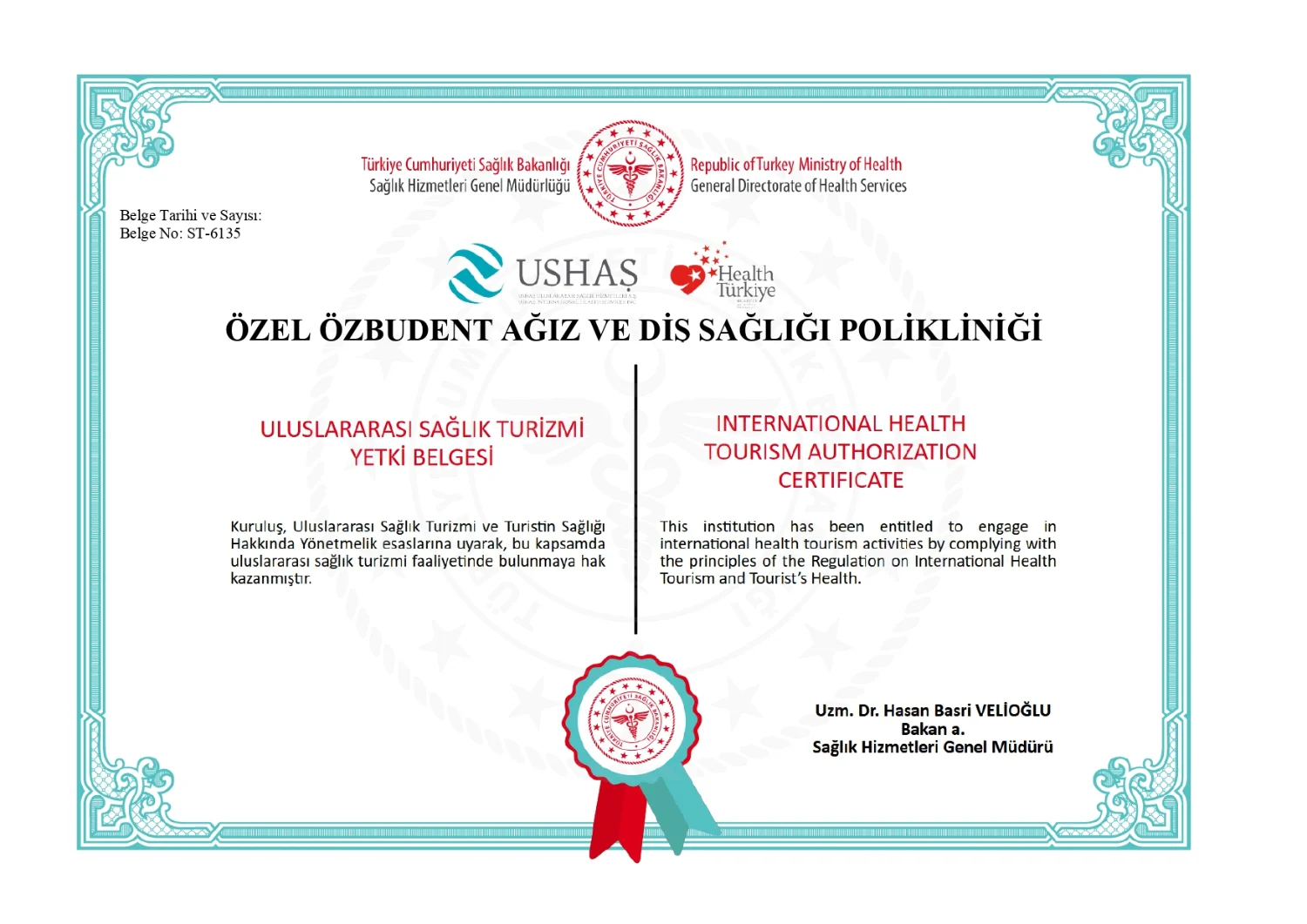

Özel ÖzbuDent Oral and Dental Health Polyclinic holds the International Health Tourism Authorization Certificate, issued by the Republic of Türkiye Ministry of Health under certificate number ST-6135. This certificate shows that our clinic meets the service and quality standards of international health tourism legislation and is officially authorized to serve patients coming from abroad.
Within the HealthTürkiye program, we accompany our international patients end to end — from examination to treatment planning — in implants, cosmetic dentistry and all oral and dental health treatments. Please contact us for detailed information.

You are currently outside our WhatsApp support hours. If you have an emergency, please call us — our clinics are open every day until 03:00. You can still leave your message; we'll get back to you as soon as the line opens.